







Back-to-school season can bring a long list of expenses. School supplies, clothes, technology, transportation, meals, and activity fees can all add up quickly.
For families who rent, these seasonal costs often arrive at the same time as monthly rent and other fixed bills. Even when you know back-to-school shopping is coming, paying for everything at once can put extra pressure on your household budget.
A little planning can make the season more manageable. These seven back-to-school budgeting tips can help you focus on what your family needs, spend more carefully, and protect the money you need for rent and other essentials.
Key Takeaways
- Set a total spending limit before you begin shopping.
- Check what your family already owns before buying anything new.
- Prioritize essential purchases and delay less urgent items.
- Compare prices, reuse supplies, and explore community resources.
- Keep rent and other fixed expenses at the center of your plan.
- Spread purchases across multiple pay periods when possible.
- Use credit cards carefully and only with a repayment plan.
1. Set your total back-to-school budget first
Before creating a shopping list, decide how much your household can realistically spend.
Start by reviewing your expected income and regular monthly expenses. These may include:
- Rent
- Utilities
- Groceries
- Transportation
- Insurance
- Debt payments
- Childcare
- Savings contributions
Once those costs are accounted for, determine how much is available for back-to-school expenses without putting your other obligations at risk.
Your budget does not need to be perfect. It simply gives you a spending limit to work within. You can then divide that total into smaller categories, such as:
- School supplies
- Clothes and shoes
- Technology
- Transportation
- Meals
- Activities or school fees
Dividing the budget can help you see where most of your money is going and where you may need to adjust.
2. Check what you already have
It is easy to begin back-to-school shopping by buying everything on a new list. However, your household may already have many usable items.
Before visiting a store or adding products to an online cart, check closets, desks, backpacks, drawers, and storage areas. You may find:
- Unused notebooks
- Pens, pencils, and markers
- Folders and binders
- Lunch containers
- Backpacks
- Calculators
- Clothes that still fit
- Technology accessories
Ask children to help you check their supplies. This can make them part of the budgeting process while helping the family avoid duplicate purchases.
Once you know what you already have, update the shopping list to include only what is missing or needs to be replaced.
3. Separate essential purchases from nice-to-haves
Not every item needs to be purchased before the first day of school.
Review your list and organize it into three groups:
- Needed now: items required at the beginning of the school year.
- Needed later: items that may be useful but can wait several weeks or months.
- Optional: items your family would enjoy but does not currently need.
For example, replacing a broken backpack may be essential. Buying a new backpack because a different style is popular may be optional.
This does not mean your family can never purchase fun or personalized items. The goal is to make sure essential expenses are covered before the budget is used for extras.
You might also give children a small amount within the budget to choose one optional item. This lets them make a personal choice without changing the family’s total spending limit.
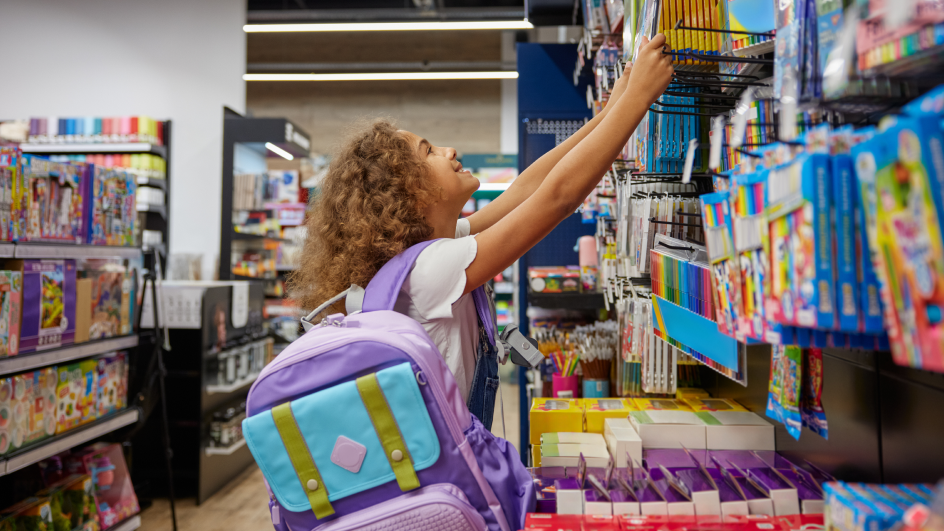
4. Compare prices instead of buying everything in one place
Convenience can save time, but it does not always save money.
Before making larger purchases, compare prices across a few stores or websites. Pay attention to the final price, including delivery fees, service charges, and minimum purchase requirements.
You can also look for:
- Store promotions
- Coupons
- Price-matching policies
- Secondhand items
- Refurbished technology
- Community supply drives
- School or library resources
- Neighborhood exchange groups
Some supplies, such as notebooks or pencils, may be less expensive in larger packages. However, bulk buying only saves money when your household will actually use the items.
Sharing larger packages with another family can be another way to lower the cost without storing more than you need.
Get support with your financial plan
Creating a budget can be difficult when several expenses arrive at once. As part of your Esusu Membership, you have access to free 1:1 financial coaching to help you create a personalized plan for seasonal expenses, budgeting, savings, and other financial goals.
5. Spread purchases out when possible
You may not need to complete all back-to-school shopping in one trip.
Start with the items that are required immediately. Other purchases can be spread across future paychecks or delayed until teachers confirm what students will actually need.
For example, your family might buy basic supplies and one school outfit first, then purchase additional clothing or equipment later.
Spreading out purchases can make the cost easier to manage. It may also give you more time to compare prices and avoid rushed decisions.
Be careful, however, not to confuse spreading out purchases with spending more overall. Continue tracking each expense against the total budget you created.
A simple note on your phone, spreadsheet, or budgeting app can help you see how much you have spent and how much remains.
6. Use credit cards carefully
A credit card can be convenient for back-to-school shopping, especially for online purchases. But it can also make it easier to spend more than you planned.
Before using a credit card, ask:
- Can I pay this balance by the due date?
- Is this purchase included in my back-to-school budget?
- Am I buying this because I need it or because credit makes it feel more affordable?
- Will interest make the item cost significantly more over time?
When possible, avoid charging more than you can repay within your planned timeline.
If you use a credit card, keep track of each purchase and include the payment in your monthly budget. Paying only the minimum may keep the account current, but it can also extend the repayment period and increase the total amount paid.
Credit cards are financial tools. Using them with a clear plan can help you avoid turning a seasonal expense into long-term debt.
7. Keep rent and fixed expenses at the center of your plan
Back-to-school expenses may be important, but they should not leave your household without enough money for rent, utilities, groceries, or transportation.
Before making an optional purchase, consider whether it could affect your ability to cover a necessary expense later in the month.
One way to protect your housing budget is to separate rent money as soon as you are paid. You might keep it in a different account or mark it as unavailable in your budget.
It is also helpful to prepare for other seasonal costs that may happen around the same time, including:
- Higher utility bills
- Lease renewal expenses
- Moving costs
- Childcare changes
- Transportation needs
- Unexpected school fees
Looking at the entire month, not just the school shopping list, can help your family make more informed decisions.

Need More Flexibility When Rent is Due?
Life does not pause when seasonal expenses increase. If you’re eligible, Esusu Pay lets you apply to split your rent into smaller payments, giving you more flexibility when payment timing gets tight. Availability may vary by property and eligibility requirements.
A Back-to-School Budget Can Support The Whole Family
Back-to-school budgeting is not only about finding the lowest prices. It is about deciding what matters most and creating a plan that works for your household.
Start with your fixed expenses, set a realistic spending limit, and focus on essential purchases. Reusing items, comparing prices, and spreading out less urgent expenses can help reduce financial pressure.
Even small decisions can make the season easier to manage while helping your family protect the money needed for rent and other priorities.


.png)

