
.svg)


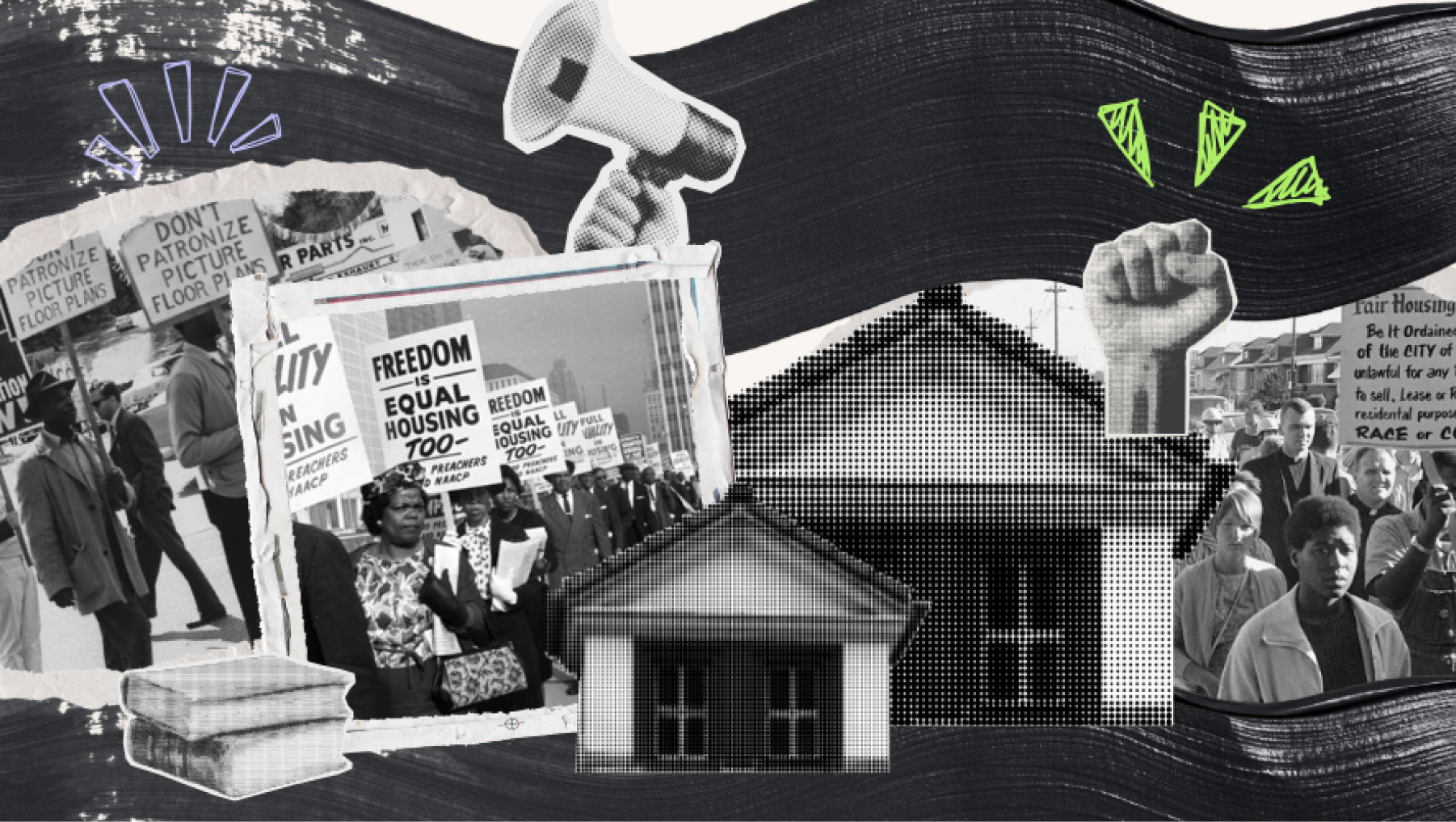
“History does not repeat itself, but it often rhymes.” This quote, often attributed to Mark Twain, captures how progress and backlash have appeared in cycles throughout the Black freedom struggle. Each Black History Month is a reminder to ask a crucial question: how do we finally break the cycle and build a future where racial equity is not an aspiration, but a given?
A History of Progress and Pushback
After the Civil War, the Reconstruction Era opened radical possibilities for Black political and economic power. Black Americans were elected to Congress, built thriving businesses, and founded enduring institutions such as schools, churches, and mutual aid societies.
Yet a fierce backlash followed. Racial terror and economic erasure devastated communities in places like Tulsa’s Greenwood District and Rosewood, Florida. Jim Crow laws soon codified segregation and disenfranchisement, entrenching racial hierarchies that still shape wealth, housing, and opportunity today.
Those patterns echo in modern efforts to dismantle diversity, equity, and inclusion initiatives. Policies designed to close gaps are reframed as “divisive,” and long-overdue progress is labeled overreach, delaying justice yet again.
The Civil Rights Movement of the mid‑20th century delivered landmark victories, including the Civil Rights Act of 1964 and the Voting Rights Act of 1965. But new barriers emerged in their wake:
- Mass incarceration and the expansion of the carceral state;
- Voter suppression and gerrymandering;
- Persistent racial gaps in income, wealth, and access to credit.
Ava DuVernay’s documentary 13th powerfully illustrates how systems of racial control have evolved over time rather than disappeared.
The Fight for Equity Today
In the early 21st century, some described the United States as entering a “post‑racial” era, especially after the election of Barack Obama. But many Black scholars and organizers warned against confusing symbolism with structural change.
As bell hooks reminded us, racism is not just about individual prejudice. It is structural: embedded in policies, institutions, and everyday practices. It shows up in:
- The disproportionate policing and criminalization of Black communities;
- The “adultification” of Black children who are seen as threats instead of kids;
- The racial wealth gap and unequal access to homeownership, quality schools, and fair credit.
The deaths of Trayvon Martin, Michael Brown, Tamir Rice, Breonna Taylor, George Floyd, and so many others forced a wider reckoning. The Black Lives Matter movement made it impossible to ignore what Black communities had long known: racism is alive, adaptive, and deeply intertwined with economic injustice.
Esusu’s Commitment to Lasting Economic Change
Black History Month is a time for remembrance and celebration, but it is also a time for clear‑eyed action. Esusu’s mission is rooted in the belief that where you come from should never determine where you end up in life. That requires confronting racial and economic inequities head‑on.
Dismantling Barriers to Housing and Credit
Black homeownership rates remain significantly lower than white homeownership rates, and Black households are more likely to be credit invisible or shut out of traditional financial products.
Esusu works to:
- Turn on‑time rent payments into a positive tradeline that can help build credit;
- Support renters on the path toward homeownership and long‑term asset building;
Provide property owners and operators with tools that align stronger portfolio performance with fairer access to housing and credit.
Local Advocacy and Disaster Recovery
Economic justice is also local. In cities like Los Angeles, Esusu engages with community organizations, housing partners, and local officials to support Black and Brown families displaced or destabilized by crises such as wildfires and climate‑driven disasters.
The goal is to ensure that recovery efforts do not deepen existing inequities and that renters have access to resources that help them remain stably housed.
Policy Reform for Housing Equity
From New York to Maryland and beyond, Esusu supports policies that:
- Promote eviction prevention and alternatives to displacement;
- Improve housing affordability and access to quality rental homes;
- Expand rent reporting so more renters can build credit through the payments they already make.
By working alongside lawmakers, housing advocates, and community partners, Esusu helps turn research and pilot programs into policies that can reach more households.
Community Partnerships for Economic Mobility
In states such as Texas and Florida, Esusu collaborates with civil rights organizations, housing coalitions, and community groups fighting for the economic mobility of Black and Latino communities.
These partnerships focus on:
- Renter financial health and credit‑building;
- Access to trustworthy financial tools and education;
- Data and impact reporting that make inequities visible and guide better decision‑making.
How You Can Make a Difference
Awareness is a starting point, but justice requires ongoing action. Here are concrete ways to join the work for racial and economic equity:
1. Educate Yourself and Share What You Learn
- Explore Black History Month themes such as “African Americans and Labor” and the long history of Black workers organizing for fair pay, safety, and dignity;
- Read Black authors and scholars who write about racial capitalism, labor, and economic justice;
- Share articles, books, podcasts, and documentaries with your networks to keep the conversation going.
2. Support Black‑Owned Businesses
- Intentionally shift part of your everyday spending to Black‑owned brands and businesses;
- Use local directories, platforms, and community recommendations to discover Black‑owned restaurants, shops, and services;
- Leave reviews, share on social media, and recommend them to friends and colleagues.
Every purchase is a small investment in closing the racial wealth gap.
3. Advocate for Policy Change
Policy is one of the most powerful levers for economic justice. You can:
- Learn about state‑ and city‑level proposals on eviction prevention, housing affordability, and rent reporting;
- Contact your local, state, and federal representatives to support legislation that advances racial and economic equity;
- Attend town halls, public hearings, or community meetings where housing and economic issues are being discussed.
States such as New York, California, Maryland, and Washington have all considered or advanced policies related to rent reporting, tenant protections, and fair housing - momentum that can grow with sustained public support.
4. Donate or Volunteer
- Support organizations that are led by and accountable to Black communities and communities of color;
- Volunteer skills, time, or resources to groups working on housing justice, workers’ rights, criminal legal reform, or youth development;
- Consider recurring donations to help organizations plan for the long term.
Justice Is Not Inevitable. It Must Be Built.
Black history is a story of brilliance, creativity, and resilience in the face of systems designed to exclude. Economic justice will not arrive on its own; it must be designed, funded, and defended.
Esusu’s work is one small part of a much larger movement: making financial inclusion and racial equity the norm, not the exception.
This Black History Month and every month that follows, the invitation is to move beyond statements and symbolism and into sustained action - so that future generations inherit a world where racial equity is reality, not just an aspiration.