
.svg)


What you need to know
Credit and debt are two sides of the same coin. Debt is money you owe. Credit says how much you’re able to borrow.
In the U.S., your credit is everything. It affects your ability to afford an education, car, rent or buy a house. It can even impact your healthcare premium!
How creditworthy you are or how likely you are to repay a loan is evaluated and predicted using a credit score. There are tons of credit scoring systems out there, so don’t worry about slightly different numbers.
Credit scores are calculated based on your credit history, which is summarized in your credit report. Credit bureaus make credit reports and you’re entitled to see yours for free every 12 months. Credit and debt are closely connected, but they are not exactly the same thing. Debt is money you owe. Credit can refer to both the money a lender is willing to let you borrow and the history lenders use to judge how you handle borrowed money.
In the U.S., credit can affect many parts of daily life, including borrowing, renting, insurance, and sometimes employment. Lenders and other companies often use your credit history and credit scores to help decide whether to approve you and on what terms.
Credit scores are calculated using information in your credit reports. Your credit reports are maintained by Equifax, Experian, and TransUnion, and you can review your official reports through AnnualCreditReport.com. The FTC says free online reports are currently available weekly there.
If you are an eligible renter at an Esusu partner property, you may also be able to use the Esusu app and Esusu Credit Hub to monitor your credit score and download a fresh credit report each month at no extra cost, all in one place.
Introduction
We get it. Credit can feel boring, confusing, and intimidating. This guide is meant to give you a practical overview so the next time you think about credit, the system feels a little less overwhelming.
A helpful way to think about credit is this: it is a system for measuring how you manage borrowed money and how risky you may look to lenders.
And if you want a more practical, day-to-day way to stay on top of it, Esusu’s Credit Hub and the Esusu app are designed to help eligible residents monitor credit, track changes over time, and access credit information more easily between visits to AnnualCreditReport.com.
Why is Credit Important?
Credit can affect more parts of life than many people realize. Depending on the situation, your credit history may influence your ability to:
- Qualify for a loan or credit card
- Rent an apartment
- Buy or lease a car
- Get favorable insurance pricing in some cases
- Avoid certain utility deposits
- Move forward in an employment process that includes a credit check for some roles
That is why understanding how credit works matters. It can affect both the cost of borrowing and the options available to you.
What is Credit?
Debt is money you borrow and still owe. Credit is the broader system that allows lenders to extend borrowing based on their assessment of risk and your financial history.
When people talk about being creditworthy, they mean that a lender sees you as likely to repay what you borrow on time.
In simple terms, debt is the money you owe. Credit is the reputation and access that help determine how much you may be able to borrow and on what terms.
What’s the difference between a credit score, credit history, and credit report?
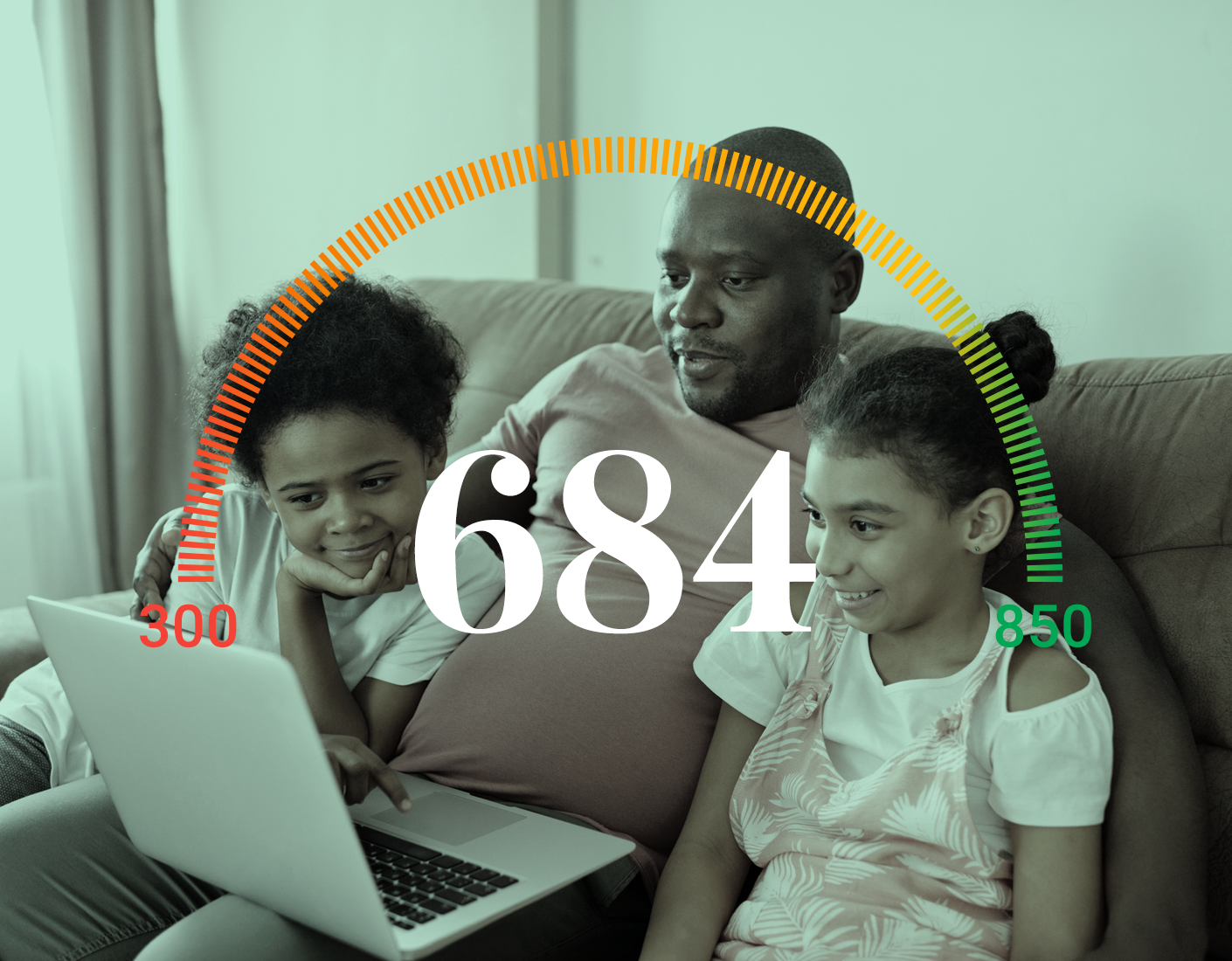
A credit score is a number, usually between 300 and 850, that helps predict how likely you are to repay a loan on time. Two of the best-known scoring systems are FICO and VantageScore.
A credit report is different. It is a record of your credit history and account activity, including information like payment history, balances, open accounts, collections, inquiries, and bankruptcy filings when applicable.
That distinction matters because a credit report does not necessarily include your credit score. Your score is calculated using the information in your credit report.
Your credit reports are maintained by the three nationwide bureaus: Equifax, Experian, and TransUnion. Because each bureau may receive information from different sources, the reports and resulting scores are not always identical.
How does credit work?
The system works roughly like this:
- Lenders and other furnishers may report account activity to one or more credit bureaus;
- The bureaus collect that information and organize it into your credit reports;
- Scoring models such as FICO and VantageScore use the information in those reports to calculate credit scores;
- When you apply for credit, a lender may review one or more of your credit reports and one or more credit scores to decide whether to approve you and on what terms.
Credit and debt work together. When you borrow money, you take on debt. When you repay it responsibly, that history can help strengthen your credit profile over time.
This can feel frustrating for people with little or no credit history, because building credit often requires some kind of borrowing or reported payment history. But there are tools that can help people get started, including secured cards, credit-builder products, and other forms of positive reporting.
For eligible Esusu users, that ongoing picture can be easier to follow in the Esusu app, where credit scores are updated monthly and a fresh credit report can be downloaded each month. That makes it easier to monitor progress in one place instead of only checking occasionally.
What kind of credit is there?
To round out this quick guide, let’s talk a bit about the main kinds of credit that’s good to know about. There are two main ones.
There are two major categories of consumer credit:
Installment credit
Installment credit gives you a lump sum that you repay in regular installments over a fixed period. Common examples include mortgages, auto loans, student loans, and personal loans.
Revolving credit
Revolving credit lets you borrow up to a limit, repay, and borrow again. Common examples include credit cards and lines of credit.
If you use revolving credit, paying your balance in full whenever possible is one of the healthiest habits you can build. Keeping balances low can help you avoid interest and support stronger credit over time.
How do I protect my credit? What are my rights?
One of the best ways to protect your credit is to review your credit reports regularly. The FTC says you should look for things like:
- Someone else’s information in your report;
- Accounts you did not open;
- Incorrect payment history or account information;
- Signs that your identity may have been misused.
You can also freeze your credit with Equifax, Experian, and TransUnion if you are worried about fraud or identity theft. The FTC says a credit freeze is free and makes it harder for someone else to open new accounts in your name.
If you find mistakes on your credit report, both the bureau and the company that supplied the information may have responsibilities in correcting it. The FTC recommends disputing errors with both.
There are also laws that protect consumers from certain forms of discrimination in lending, including the Equal Credit Opportunity Act.
If you want a more frequent credit check-in, the Esusu app can give eligible renters monthly score tracking and a fresh monthly credit report, while AnnualCreditReport.com remains the official centralized source for your federally authorized credit reports.
Recap and Conclusion
Credit can feel overwhelming at first, but the basics become much easier once you separate the key ideas: credit reports, credit scores, credit bureaus, and scoring models are related, but they are not the same thing.
The strongest long-term habits are familiar: pay on time, keep balances manageable, review your credit reports regularly, and correct errors quickly when they appear.
If you want to keep learning and build a more consistent credit routine, Esusu’s Credit Hub and the Esusu app can help eligible residents monitor their score, follow changes over time, and download a fresh monthly credit report in one place. For many renters, that makes it easier to turn credit awareness into regular credit-building habits.