
.svg)


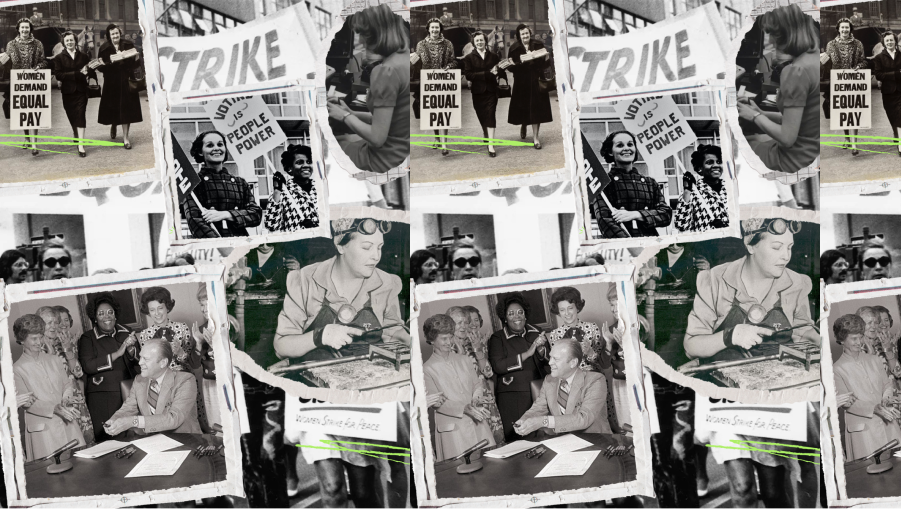
It was not that long ago that women in the United States needed a male co-signer to apply for credit. Until the Equal Credit Opportunity Act of 1974, banks routinely turned women away, labeling them “risky” borrowers, even though research now shows that women are often highly reliable when it comes to repaying debt.
Fast forward to today: the co-signer rule is gone, but bias in lending and access to financial products still exists. Women often have:
- Lower average credit scores than men;
- Thinner credit files and less access to prime-rate products;
- More frequent breaks in employment tied to caregiving responsibilities.
These gaps are not about financial irresponsibility. They are the result of systemic barriers - lower wages, unpaid caregiving, and fewer opportunities to participate in traditional wealth-building pathways.
The Cost of Credit Inequality
A lower credit score does not just mean a slightly higher interest rate. It can show up in multiple parts of a woman’s financial life:
- Higher borrowing costs on mortgages, auto loans, and credit cards;
- Less access to capital for women entrepreneurs trying to launch or grow businesses;
- More financial stress, which affects mental health, family stability, and long-term economic mobility.
In recent years, women have accounted for a growing share of primary breadwinners in U.S. households and control trillions of dollars in assets. Imagine what could happen if the financial system fully worked with - not against - their efforts to build wealth.
How to Accelerate Action Now
Change does not happen overnight, but there are practical ways to accelerate progress on financial equity - at home, at work, and in our communities.
1. Normalize Talking About Money
Financial literacy is power. Conversations about credit scores, saving, and investing should not be taboo.
- Share what you are learning about credit with friends, colleagues, and family;
- Encourage open discussions about budgeting, debt, and long-term goals;
- Point women in your network toward trustworthy financial education resources.
2. Push for Pay Transparency and Equity
If women are earning less, they are often saving and investing less - and that compounds over time.
- Support efforts to make salary ranges and promotion criteria transparent;
- Advocate for pay equity reviews and policies in your workplace;
- Encourage women to negotiate starting pay and raises using real market data.
3. Advocate for Rent Reporting
For many households, rent is the largest monthly expense, yet it does not always count toward credit. That means millions of women are paying on time every month without seeing those payments reflected in their credit histories.
Esusu works to change that by helping eligible renters build credit with on-time rent payments, turning a necessary expense into a credit-building opportunity instead of a dead end.
4. Support Women-Owned Businesses
Access to funding is one of the biggest challenges for women entrepreneurs. Every dollar spent at women-owned businesses helps:
- Grow revenue and create jobs;
- Build track records that make it easier to qualify for future funding;
- Demonstrate demand for products and services built by and for women.
You can also support by leaving reviews, making referrals, and amplifying women-owned brands in your networks.
The Future Is Credit Inclusive
Women are already making bold money moves - starting businesses, leading households financially, and investing in their futures. It is time to remove the hurdles in their way.
Credit should be a tool for building wealth, not another barrier to it.
At Esusu, the focus is on accelerating financial equity by:
- Making credit building more accessible to renters;
- Helping turn on-time rent payments into a positive tradeline;
- Expanding tools and resources that support long-term financial resilience.
This Women’s History Month and International Women’s Day, the invitation is simple: do more than celebrate: take action to close the gender wealth and credit gaps. The road to financial equity has been slow-moving for too long. It is time to hit the gas.